.png)
The Student Success and Engagement Mentor at BRUC attended a conference in Canberra all about Regional Study Hubs and their amazing impact.

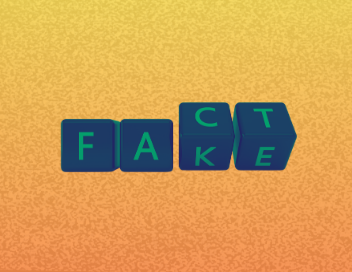
Artificial intelligence (AI) tools like ChatGPT, Co-Pilot, and Gemini are fast becoming part of student life. They can help explain theories, summarise readings, and even generate practice questions. But they can also be wrong — sometimes spectacularly wrong. This post explores how to recognise when AI-generated content is misleading, why it happens, and what you can do to check accuracy before relying on it.
.png)
Barossa Regional University Campus offers flexible, sensory-friendly study spaces to support neurodivergent students, including private rooms and a quiet studio pod with adjustable lighting. Students can request simple accommodations—like reduced overhead lighting or screens to minimise distractions—and choose from a variety of seating options to create the study environment that works best for them.
.png)
Artificial intelligence is becoming part of everyday study life—but using it well requires a new kind of academic skill: AI literacy. This post explains how BRUC students can use AI tools thoughtfully by asking better questions, evaluating answers, supporting rather than replacing their own learning, and staying transparent and ethical in how they use technology.
.png)
Invisible Disabilities Week (19–25 October) raises awareness about conditions that aren’t immediately visible—like chronic illness, anxiety, autism, or sensory sensitivities. Many students face hidden challenges that impact their study. This post explores the difference between visible and invisible disabilities, shares examples, and outlines what support is available at university and through Barossa Regional University Campus.